NEWS
VIEW ALL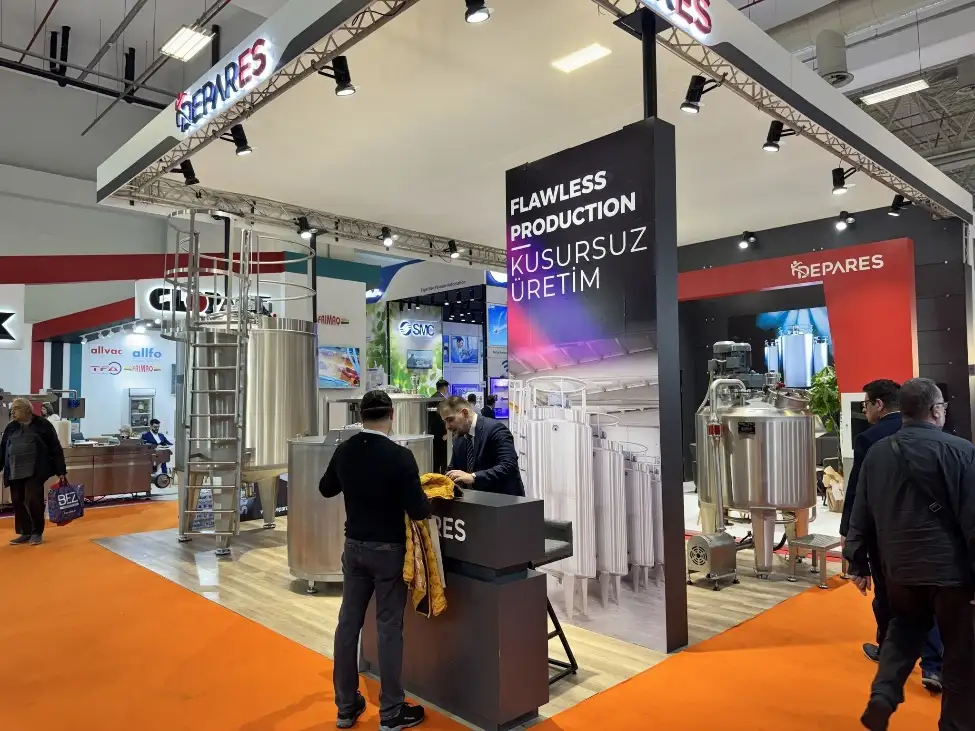

Turnkey Stainless Steel Projects and Processes
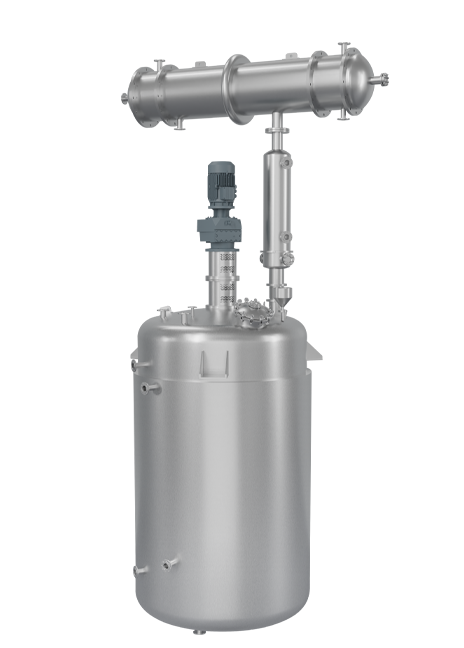
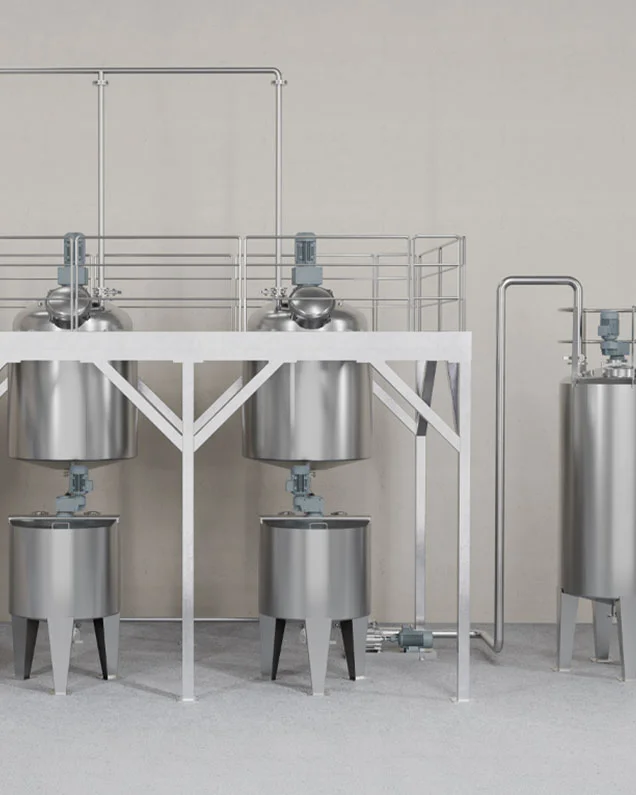
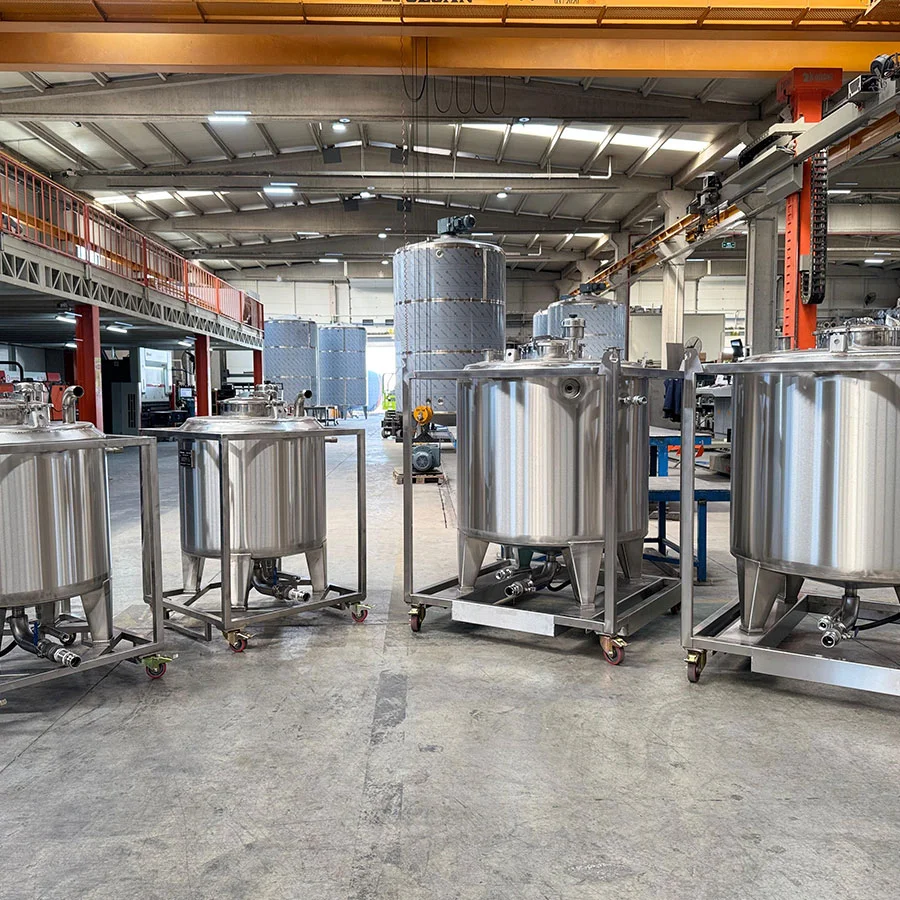
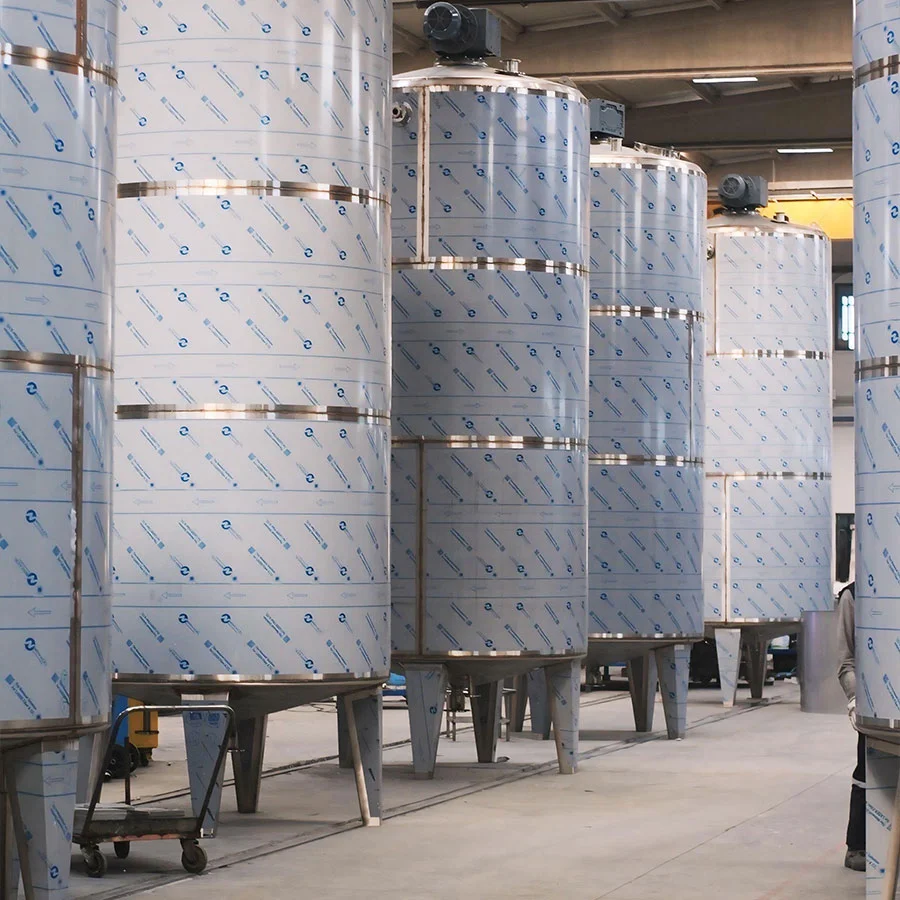
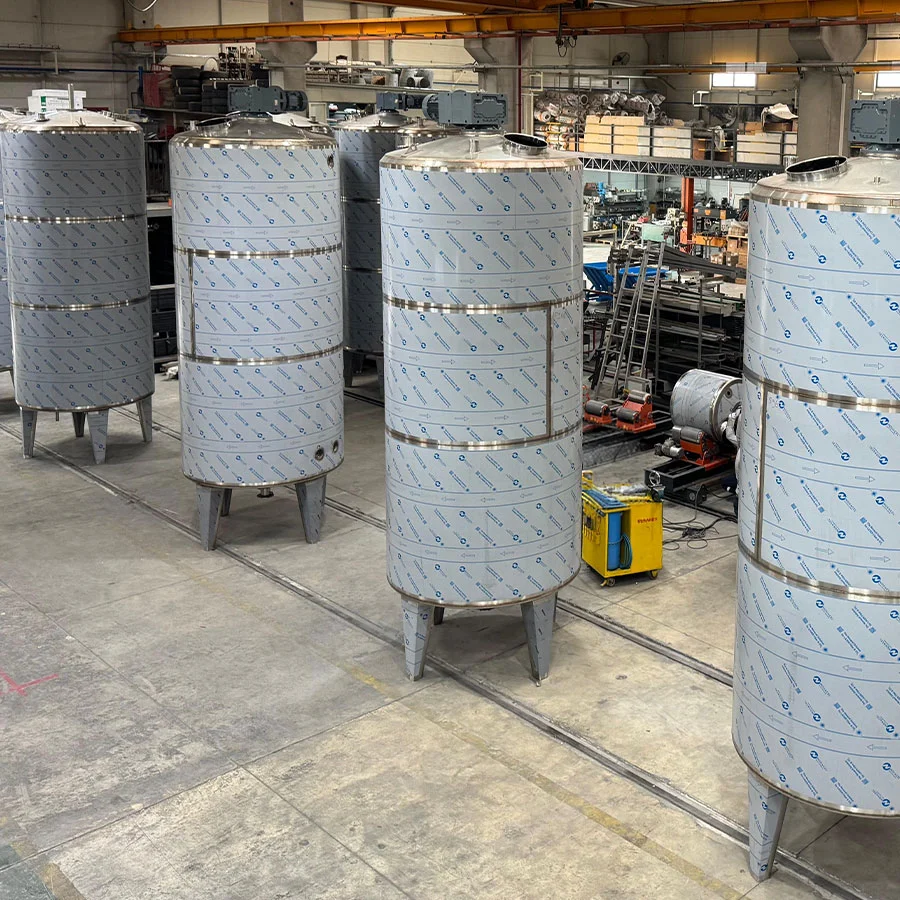
Depares establishes turnkey process facilities for the food, chocolate, dairy products, beverage, chemical, and cosmetics sectors. All stages, starting from the needs analysis of the projects to process design, stainless tank manufacturing, stainless piping systems, equipment assembly, automation integration, and commissioning processes, are managed by our expert team.
Our projects, brought to life with modern production technologies and engineering solutions, are designed in line with high efficiency, hygiene, and sustainable production goals. By offering a single-point solution to our customers, we make their investment processes faster, more reliable, and more efficient.
Our service scope
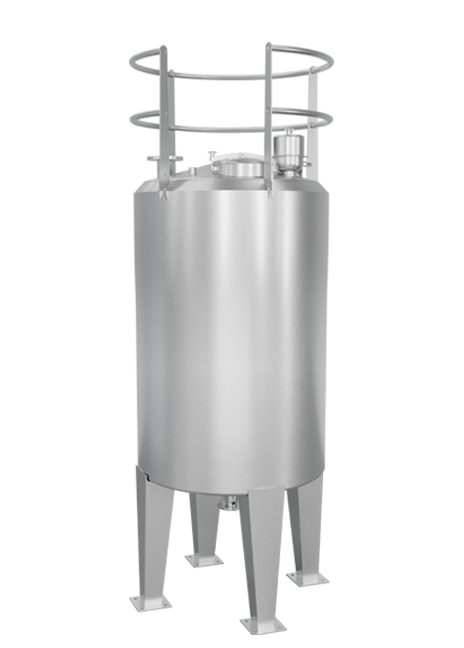
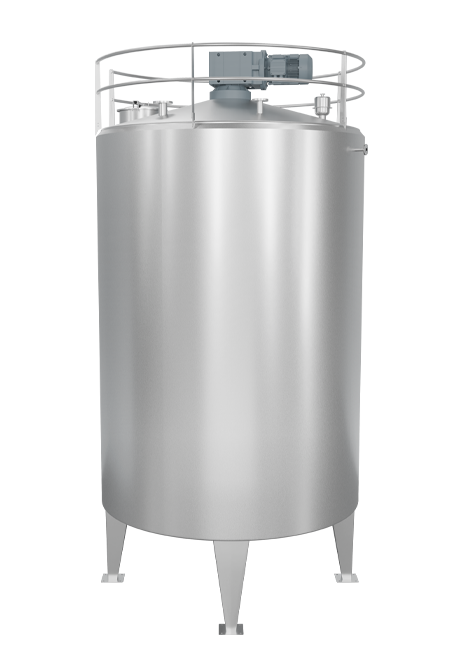
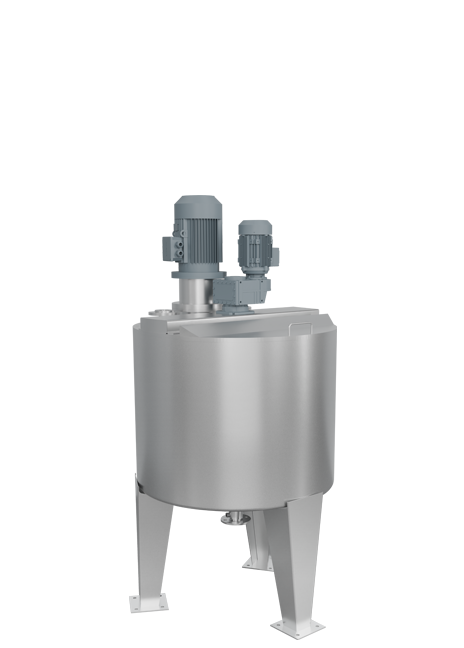
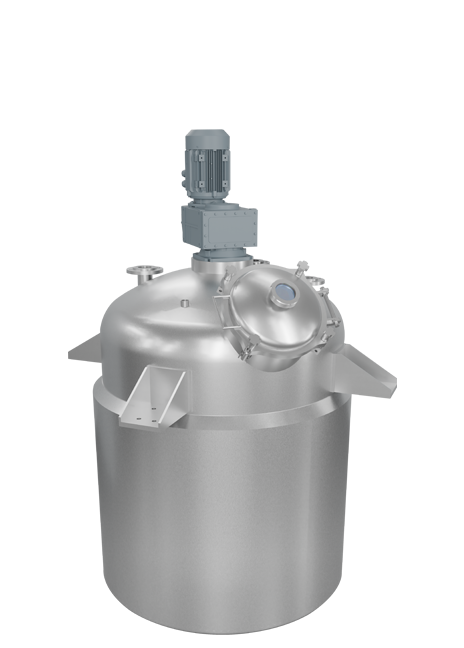
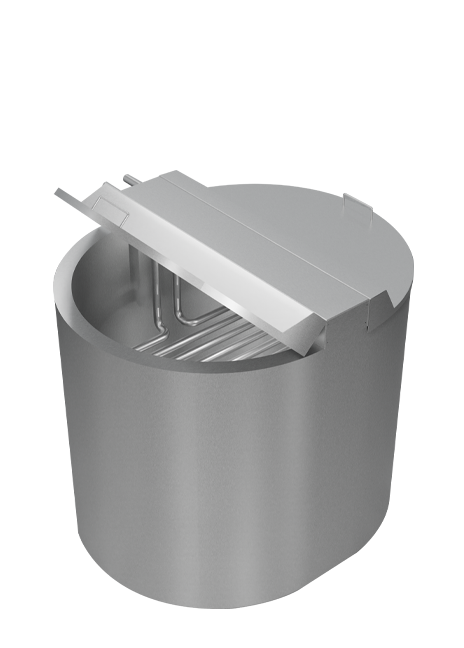
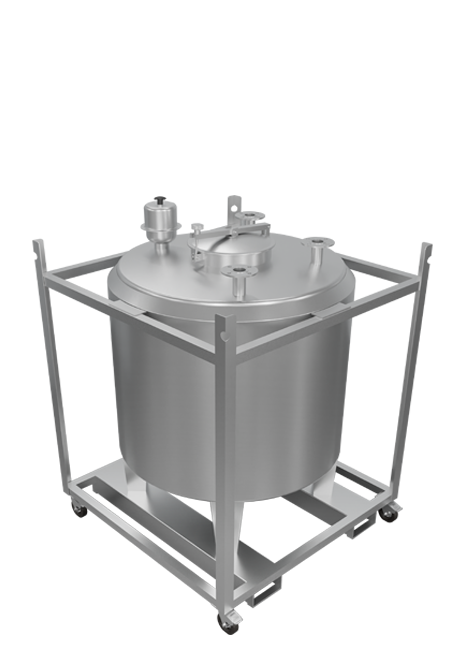
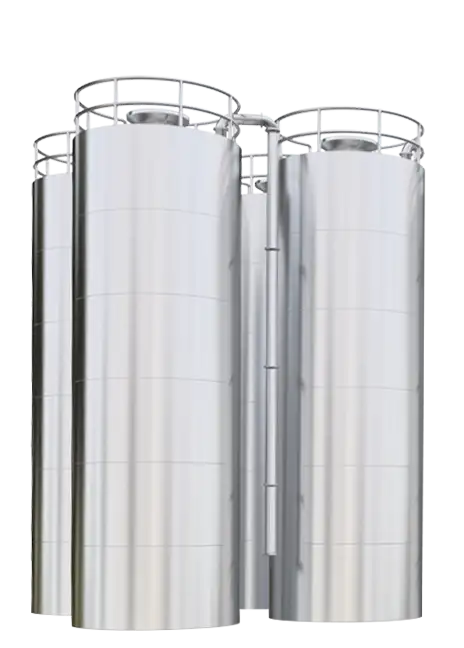
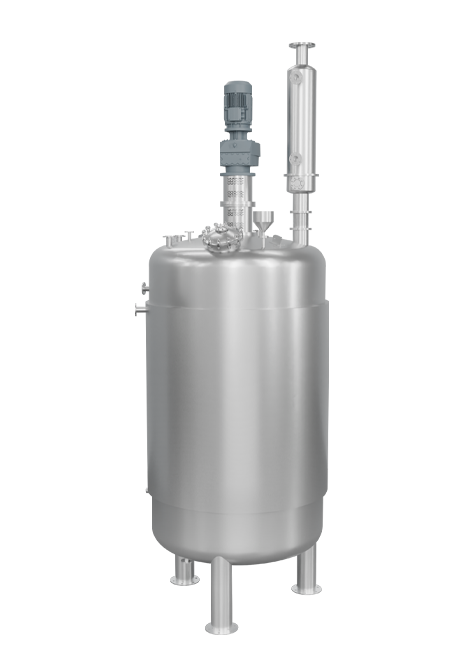
- // Stainless Storage and Process Tanks
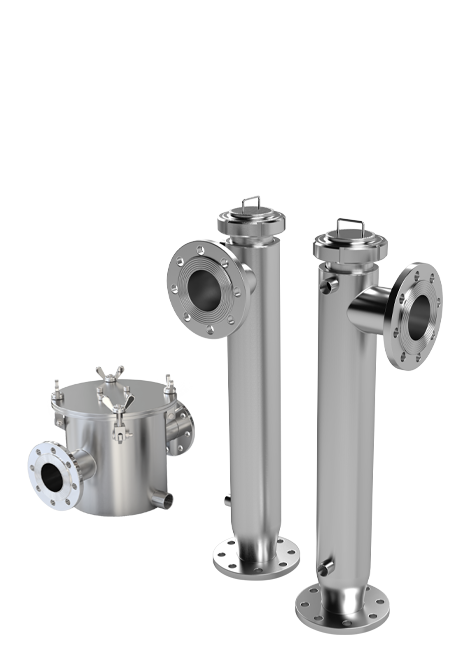
- // Stainless Piping and Installation Systems
- // Pump and Equipment Integrations
- // Project Design of Process Lines
- // Assembly and Field Applications
- // Automation and Control Systems
- // Testing, Commissioning, and Operator Training
Why Depares?


We do not just manufacture tanks. We design by understanding your process.
Each tank is handled in line with the requirements of the process in which it will be used. By evaluating product, capacity, operating conditions, mixing, heating, cooling, and connection needs, a controlled production process is executed from design to manufacturing.

Process-Oriented Engineering
Every application has different needs. As Depares, rather than adapting a standard product to the process for our customers whom we are a solution partner to, we design the tank according to the requirements of the process.The right process starts with the right tank.

Single-Point Management from Design to Manufacturing
The process from project design to manufacturing is managed under a single technical approach (the flawless production concept).This means fewer communication gaps, more controlled production, and better overall project tracking. The main advantage of this production approach is reducing manufacturing interfaces and enabling greater control over quality.

Expertise in Stainless Steel
Stainless steel grades such as AISI 304L, 304, and 316L are evaluated by taking into account the process conditions, hygiene requirements, and intended use of the product.Because a good tank is not merely a tank produced in correct dimensions. The right material, right design, and right manufacturing contribute to value-added production only when they come together under appropriate conditions.

Precision in Production
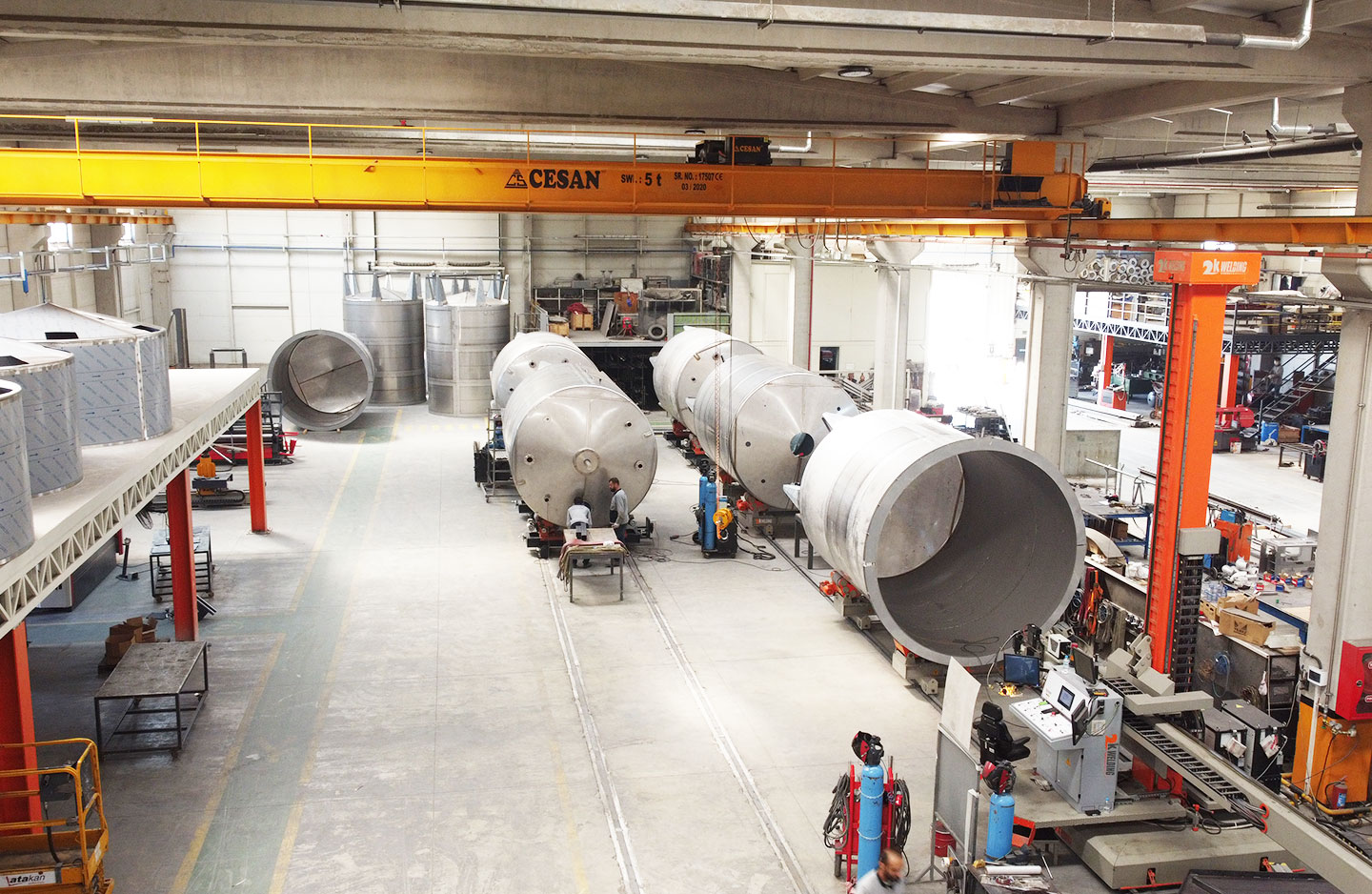
The performance of a tank depends on manufacturing quality as much as design.Welding, dimensional accuracy, surface treatments, connections, and assembly details are controlled at critical stages of production. For us, millimeter-precision manufacturing, certified welding processes, and multi-process quality control stages are decisive factors in tank quality.

Traceable and Documented Production
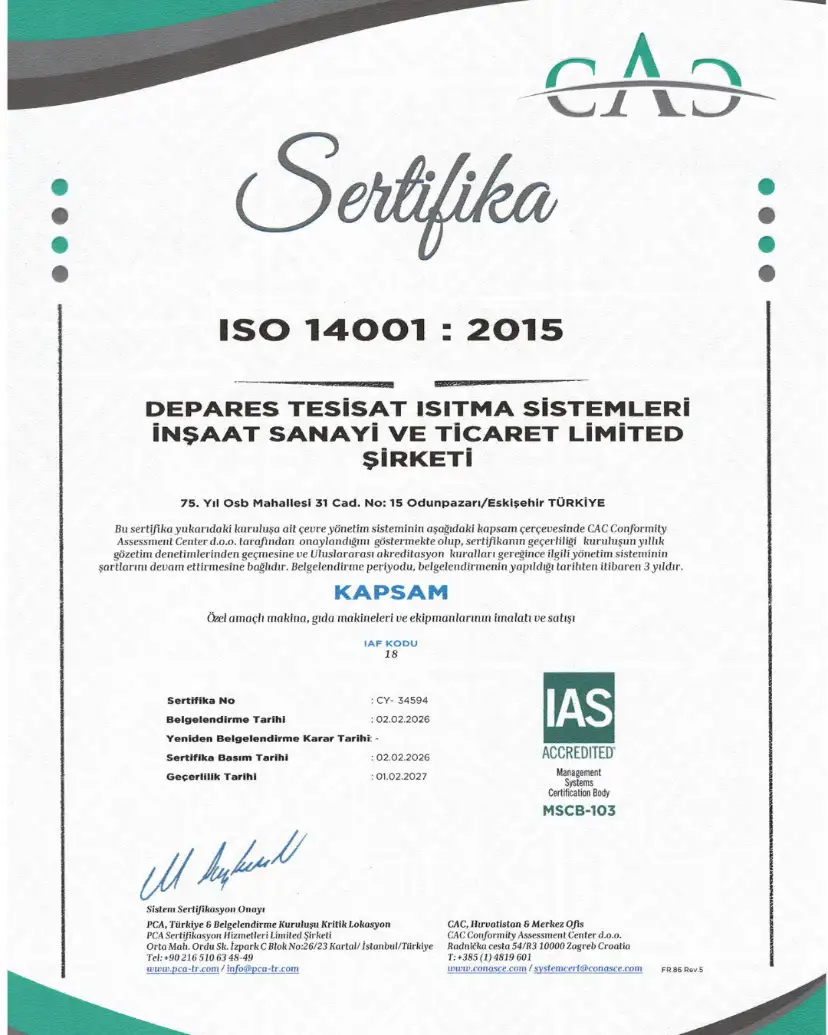
The value of a professional industrial tank is not limited to the physical product alone.The traceability and international validity of material, production, test, and quality documents are critical factors in building trust. Depending on the project scope: material certificates, welding procedures and certifications, manufacturing qualifications, competent measurement and control inspection mechanisms.

Depares
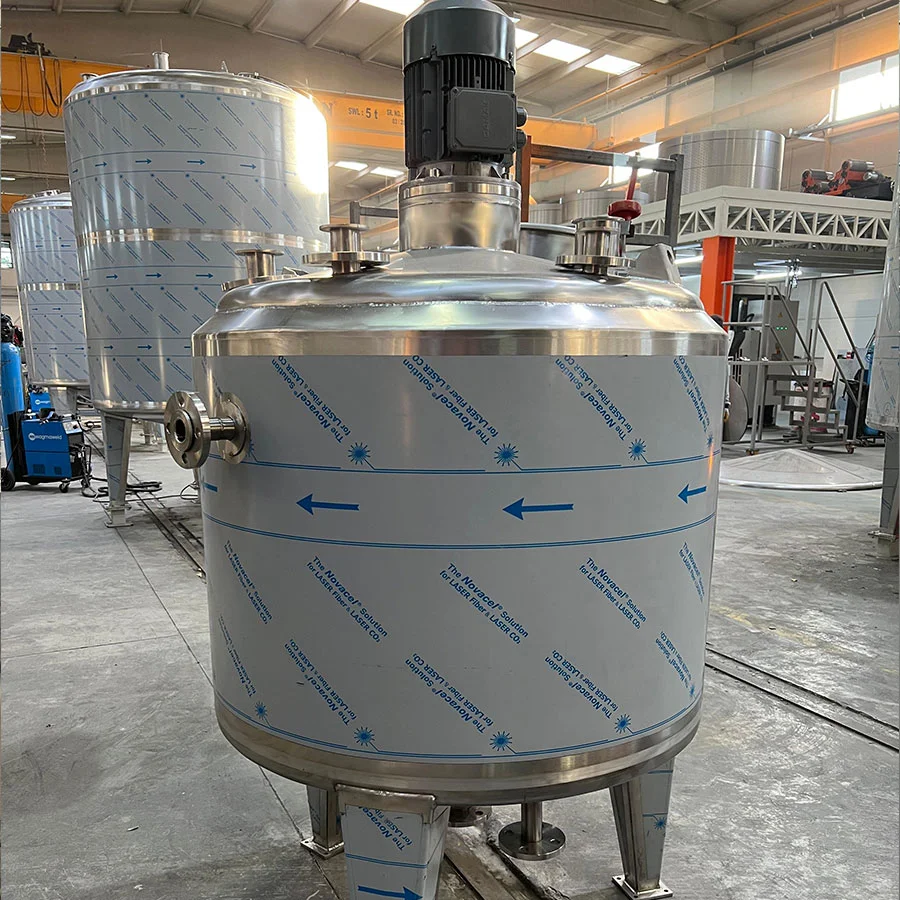
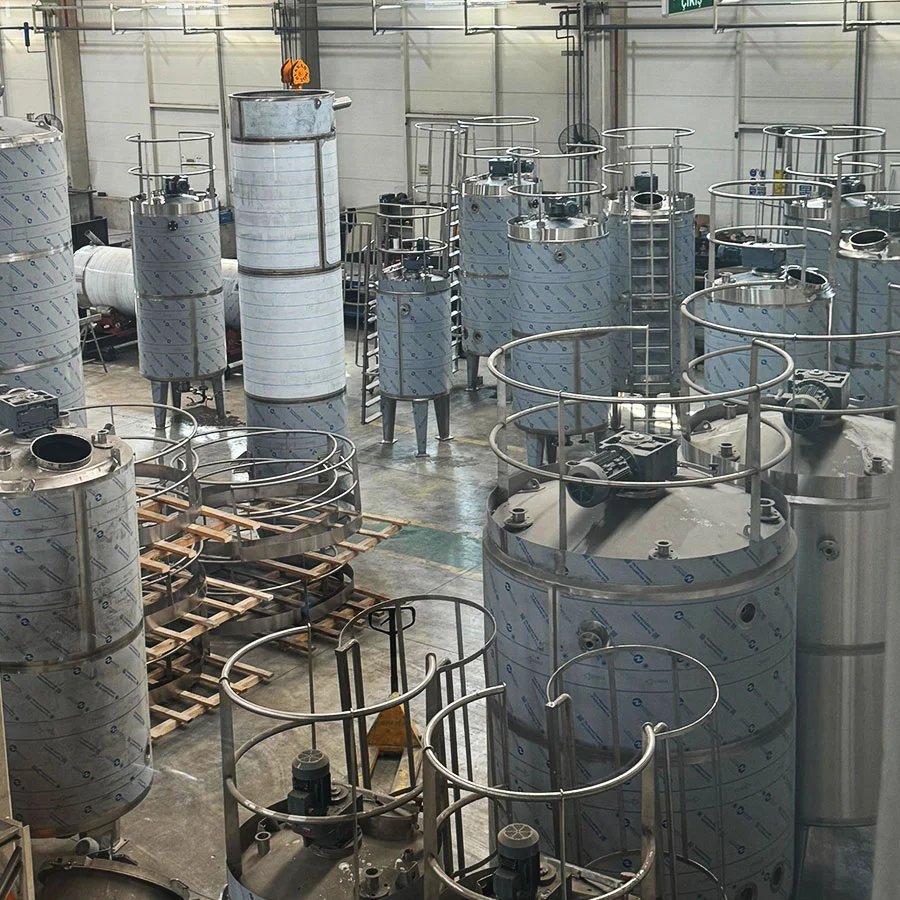
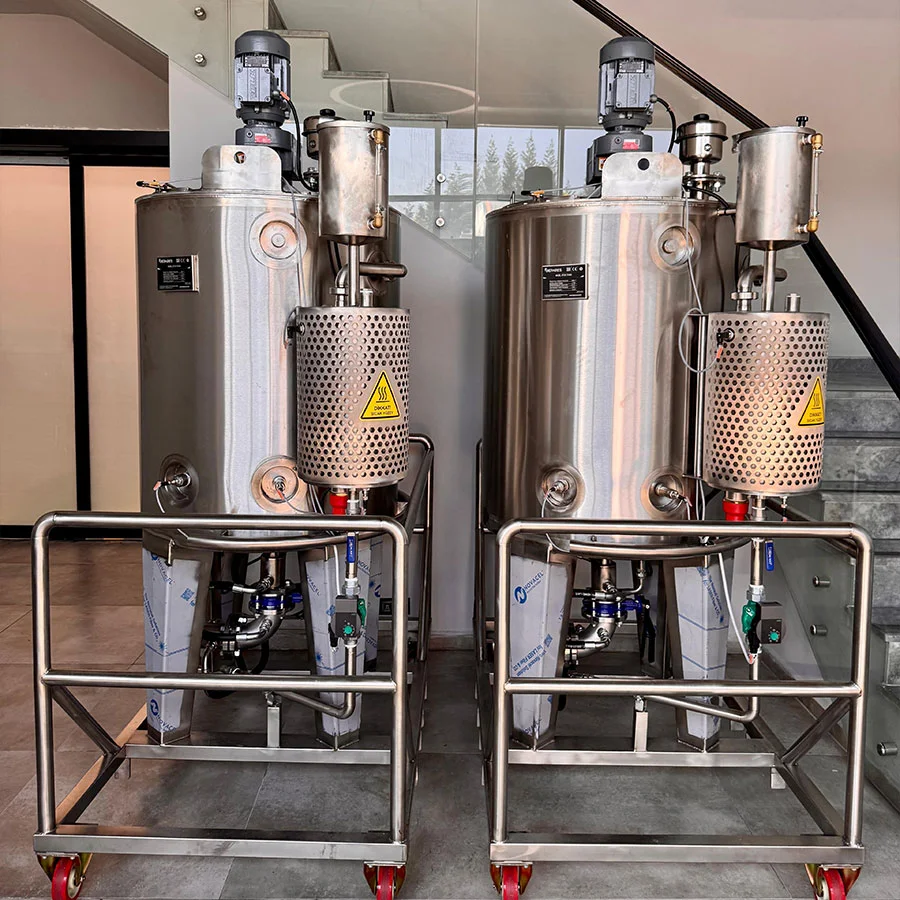
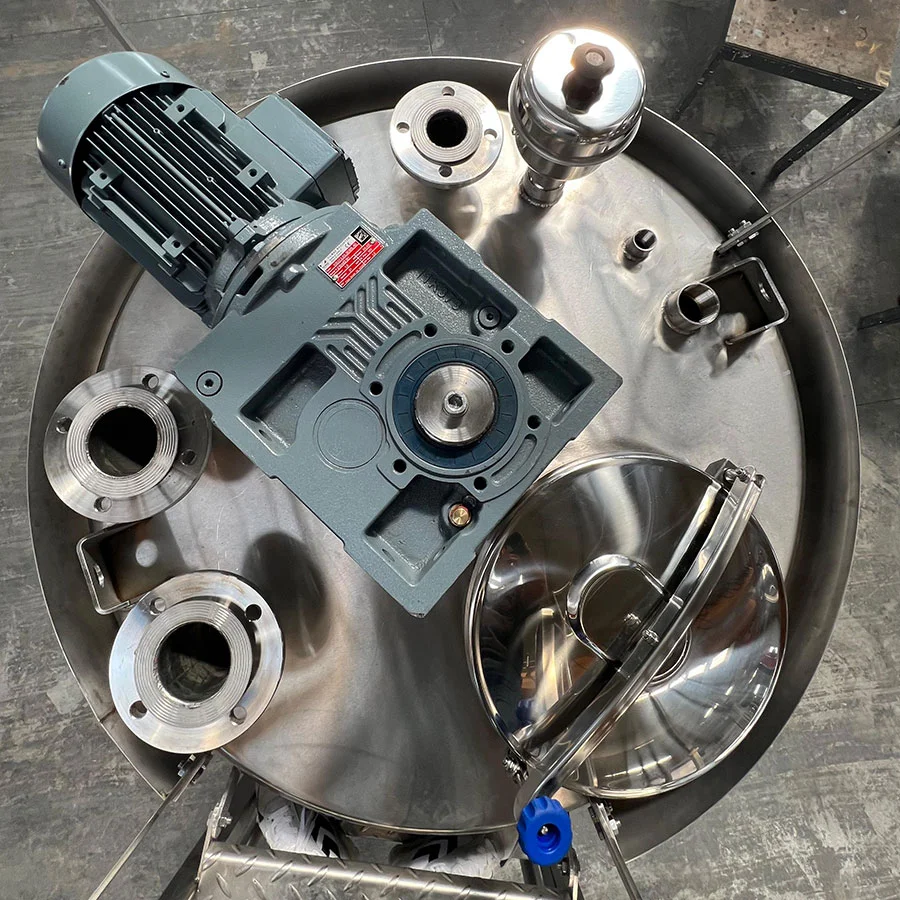
Depares combines engineering, quality materials, and controlled manufacturing in the production of stainless steel tanks and process equipment. Projects are custom-designed from AISI 304L / 316L stainless steel tailored to specific process conditions, capacity, temperature, agitation, and site requirements.Cutting, shaping, welding, and assembly processes are meticulously executed, and product reliability is guaranteed through 100% penetration, leakage, and dimensional inspections. Depares delivers process-compatible, long-lasting, and hygienic solutions.Would you like me to adapt this translation for a specific section of your website or a company profile brochure?


References












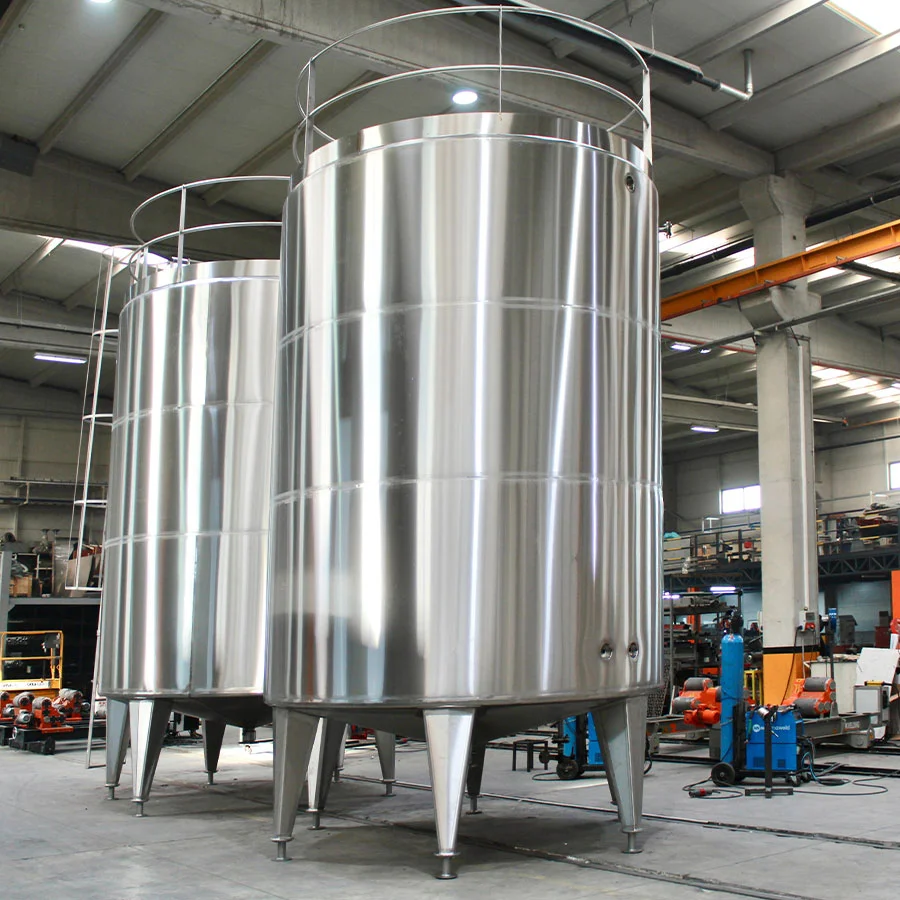
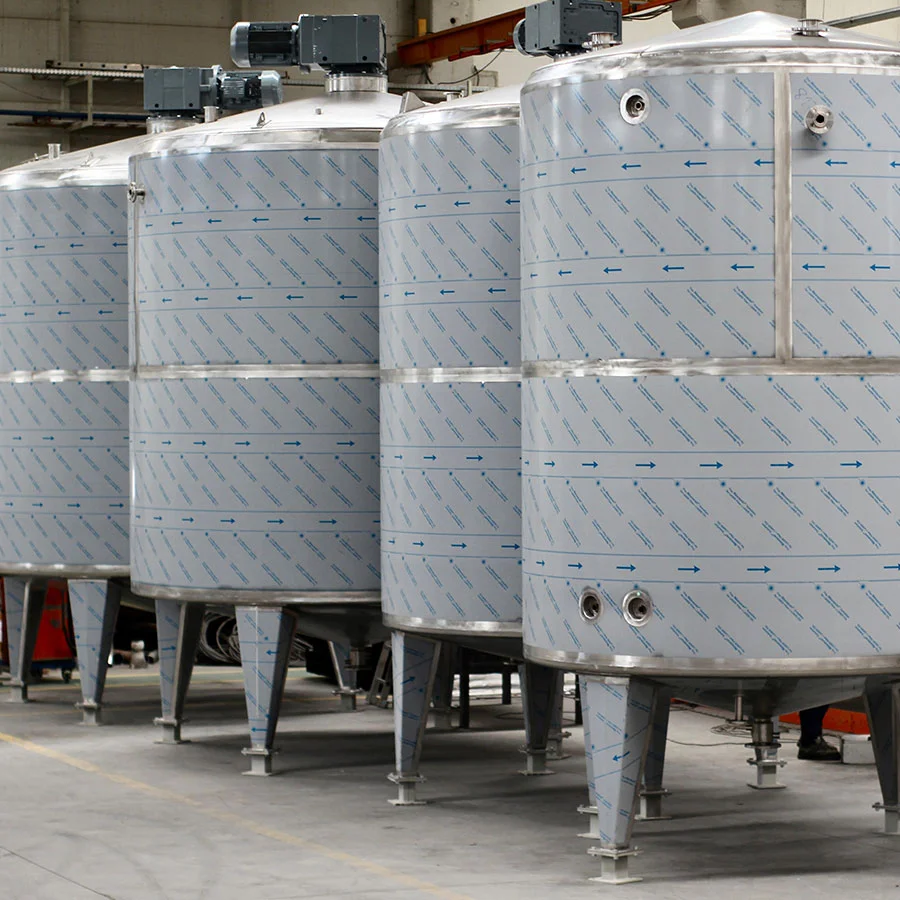
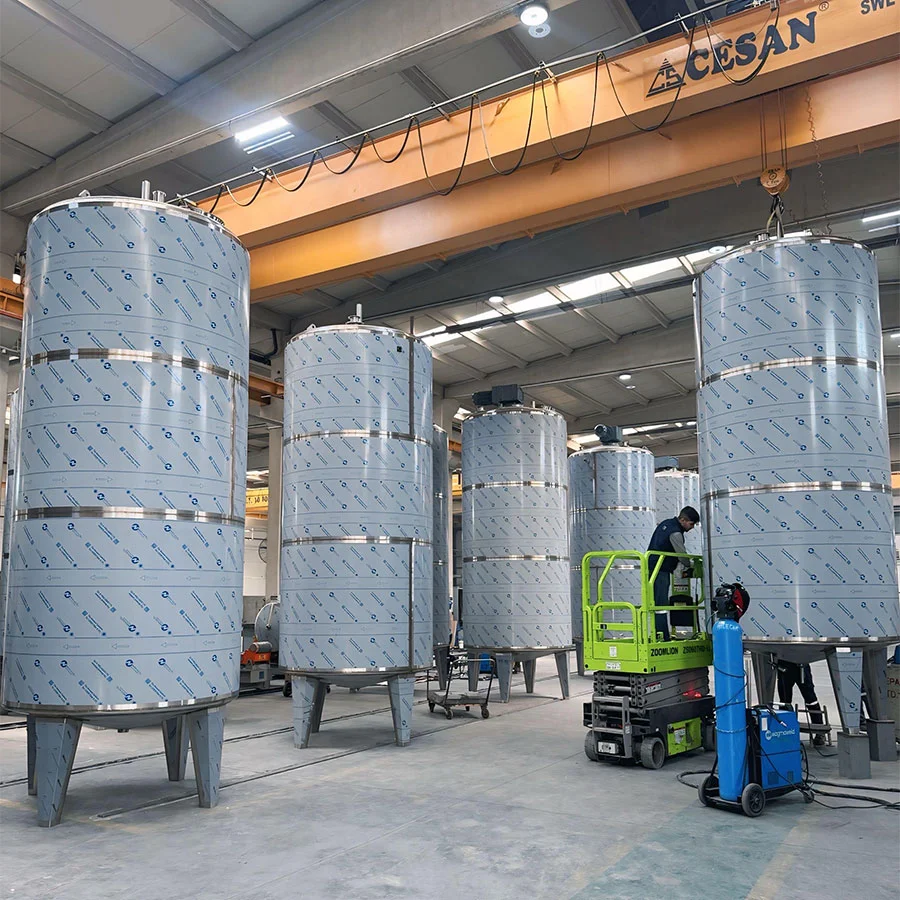
FAQ
Can tanks be equipped with heating and cooling systems?
Yes, depending on process requirements, tanks can be configured with solutions such as heating or cooling jackets, heat exchanger/coil systems, and insulation. Parameters such as product temperature, target operating temperature, heat transfer requirement, and process duration are taken into account when determining the appropriate system.
Which tank material should I choose?
Material selection is determined according to the corrosion, acidity, and temperature values of the fluid to be stored or processed in the tank. In general food, water, and standard storage processes, AISI 304 grade stainless steel provides high corrosion resistance and a cost advantage; while AISI 316 / 316L grade steel is preferred for corrosive chemicals, foods with high salt/acid ratios, or medical/pharmaceutical applications.
Can special connections and nozzles be made on the tank?
Product inlets and outlets, CIP connections, drainage, ventilation, overflow, instrumentation, pump, and mechanical installation connections can be positioned according to the project. Nozzle placement is evaluated not only according to the tank manufacturing but together with the piping and installation system to which the tank will be connected.
Can the tanks be manufactured to be pressurized?
They can be evaluated within the scope of the project requirements and the design standard to be applied. In pressurized tanks, operating and design pressure, temperature, volume, product properties, and relevant legislation/standards are the main parameters of the design. Therefore, in a pressurized tank project, technical requirements must be clearly determined at the beginning of the project.
Are the tanks standard or custom manufactured for the project?
Depares' core manufacturing approach is customized production according to project and process needs. The tank's diameter, height, capacity, material quality, nozzle placement, agitator, jacket, insulation, connections, and other equipment can be determined according to the requirements of the project.
Which stainless steel grades do you use?
Depending on the project's requirements, suitable stainless steel grades can be evaluated, primarily AISI 304/304L and AISI 316/316L and their derivatives. Material selection should be made considering not only the intended use of the tank, but also the chemical structure of the product, temperature, corrosion conditions, hygiene requirements, and process conditions.
What is the difference between AISI 304L and AISI 316L?
In general, AISI 304L is a suitable stainless steel option for many food, water, and general industrial applications. AISI 316L, on the other hand, can provide advantages especially in processes containing chlorides, which are more aggressive or have a higher risk of corrosion. However, the right choice should not be made just with the approach "316L is higher quality", but by technically evaluating the process conditions.
What can the tank capacity be?
Tank capacity is determined according to the needs of the project. Capacity, diameter, height, and geometric structure are projected considering the intended use of the tank and facility conditions. Therefore, rather than just the question "how many liters of tanks do you make?", it is preferred to design based on what the process needs.